
Almond Butter

Ingredients
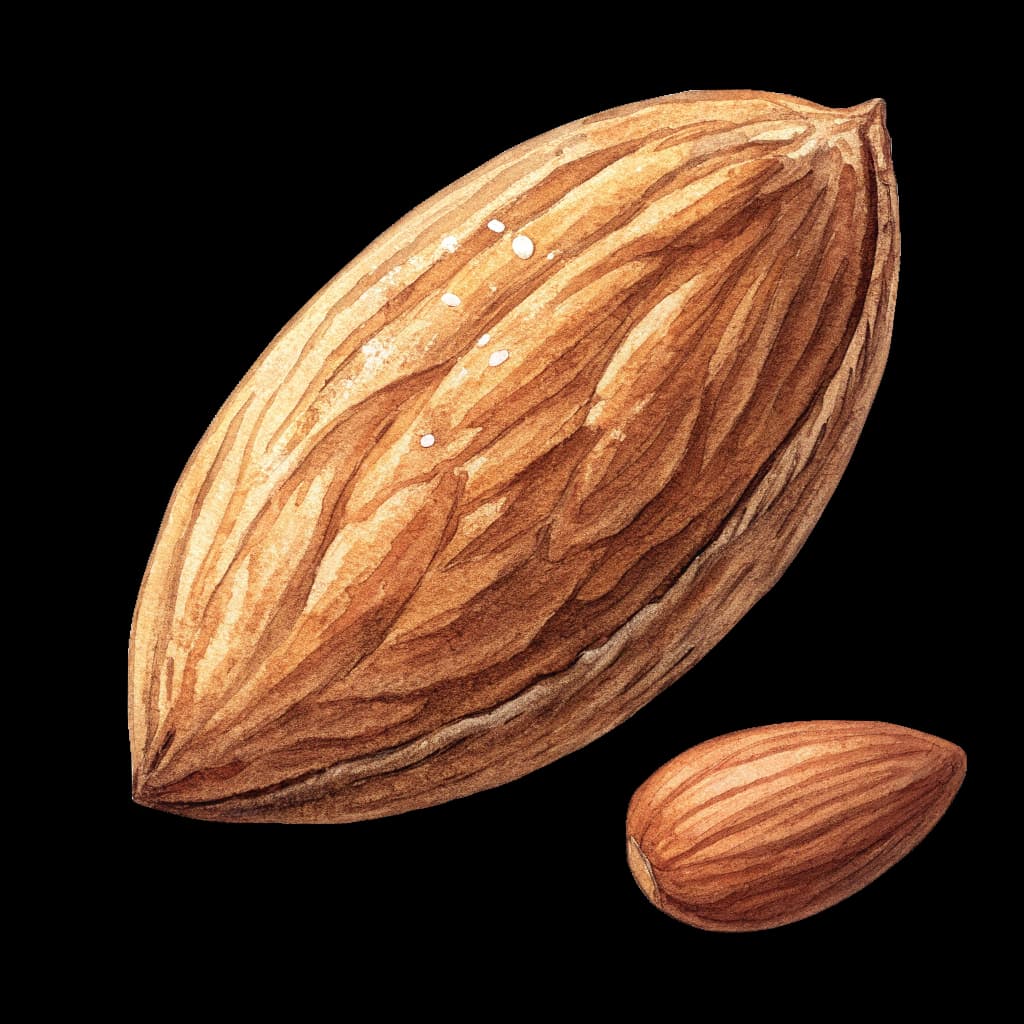

&w=3840&q=75)
- 16 ounces raw almonds (~378 n/a almonds)
- 1/2 tsp kosher salt
- 1 tbsp neutral oil

Instructions
- 1.
Heat the oven to 350°F (175°C). Spread the almonds on a rimmed baking sheet in a single layer.
- 2.
Roast until fragrant and a shade deeper in color, 10–12 minutes. Cool 5 minutes so the nuts are warm but not hot.
- 3.
Transfer warm almonds to a food processor. Process until finely ground and sandy, 1–2 minutes, scraping down the bowl as needed.
- 4.
Continue processing until the meal gathers, clumps, and turns into a thick paste, 3–5 minutes more. Pause as needed to scrape the bowl and let the machine rest if it feels warm.
- 5.
Sprinkle in the kosher salt. Process until glossy, smooth, and drippy, 3–5 minutes more. If the butter stalls or stays chalky after about 1 minute, drizzle in the neutral oil and continue until loosened and pourable.
- 6.
Taste and adjust salt, then run the processor 15–30 seconds to combine evenly.
- 7.
Transfer to a clean jar. Let cool to room temperature, then seal. Refrigerate up to 3 weeks; stir before each use.
Almond butter is a silky, naturally sweet spread made by grinding roasted almonds until their oils release into a creamy emulsion. It has a warm, toasty aroma and a rich, nutty flavor that reads deeper and slightly less savory than peanut butter. Enjoyed on toast, in smoothies, drizzled over fruit, or whisked into sauces, it brings both indulgence and wholesome simplicity to everyday cooking.
Almonds have deep roots around the Mediterranean and Near East, where they were cultivated for millennia and used in both sweet and savory preparations. While traditional almond pastes like marzipan and praline were long established, smooth nut “butters” became widely popular with the rise of modern grinders and food processors, especially in North America. Almond butter gained traction through the 20th‑century health‑food movement and is now a staple alternative to peanut butter, celebrated for its pure ingredient list and versatile flavor.