
Charquekan

Ingredients
&w=3840&q=75)

&w=3840&q=75)
- 1 pound dried mote (hominy corn) – soaked overnight
- 8 ounces dried black chuño (freeze-dried potatoes) – soaked overnight
- 4 medium potato
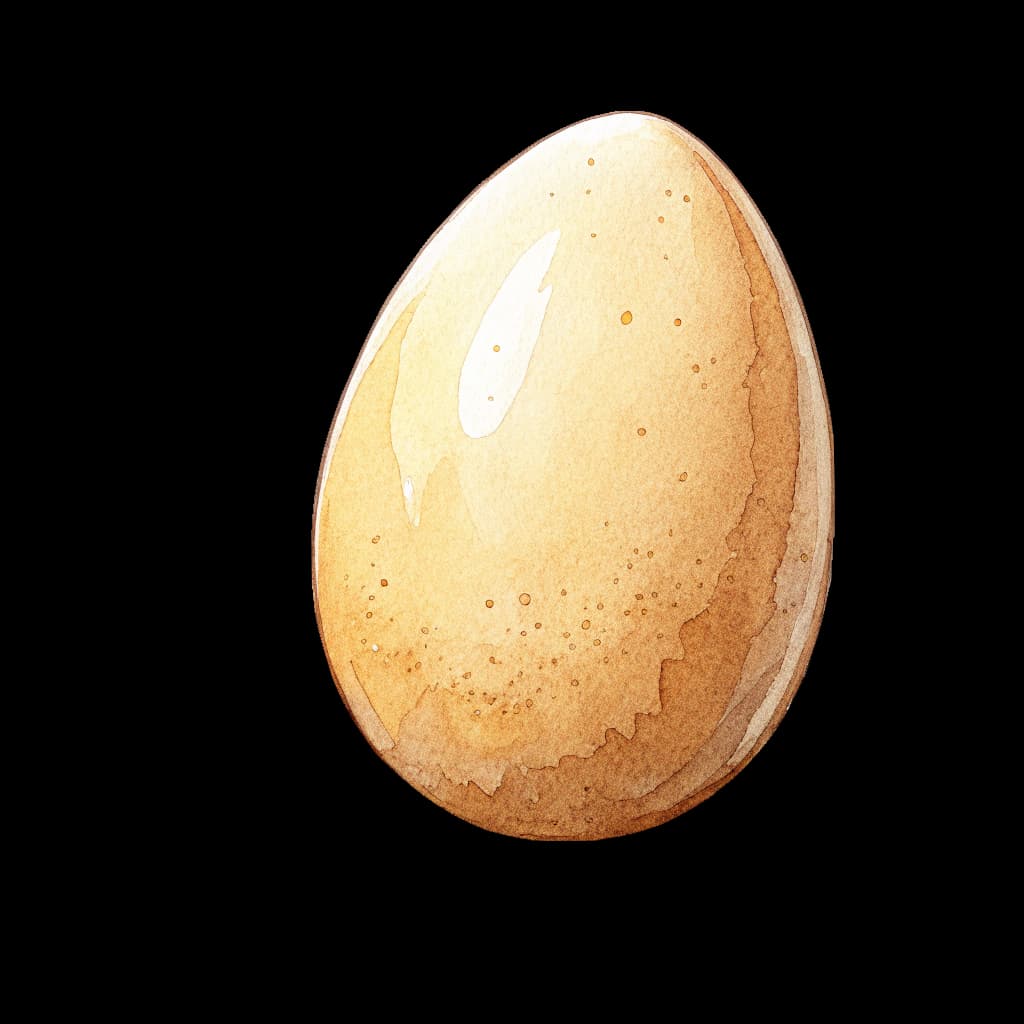
- 4 large egg
- 16 ounces charque (dried salted llama or beef)
- 3 tbsp lard
- 8 ounces queso fresco – cut into 0.5-inch slices
- llajua – for serving

Instructions
- 1.
The night before, place the dried mote (hominy corn) in a large bowl and cover with plenty of cold water by several inches; soak 8–12 hours. In a separate bowl, cover the dried black chuño with cold water; soak 8–12 hours.
- 2.
Drain the mote, rinse, and place in a large pot. Cover with fresh water by 2 inches, bring to a boil, then simmer gently until tender and swollen, 1.5–2 hours; the kernels should split and be soft at the edges. Drain and keep warm.
- 3.
Drain the chuño; rub each piece under running water to remove any loosened skins and excess bitterness. Place in a pot, cover with fresh water, bring to a boil, then simmer until the centers are tender when pierced, 30–40 minutes. Drain and keep warm.
- 4.
Scrub the potatoes and place in a pot; cover with water, bring to a boil, then simmer until just tender when pierced, 20–25 minutes. Drain and keep warm.
- 5.
Place the eggs in a saucepan and cover with cold water by 1 inch. Bring to a gentle boil over medium heat, cover, remove from heat, and let stand 10–12 minutes. Drain, cool under cold water, peel, and halve.
- 6.
Rinse the charque (dried salted llama or beef) briefly to remove surface salt. Put it in a pot, cover with fresh water, bring to a boil, then simmer until pliable and no longer brittle, 45–60 minutes. Drain, cool slightly, then shred the meat along the grain into thin strands; if needed, pound lightly to loosen the fibers.
- 7.
Heat the lard in a large skillet over medium heat. Add the shredded charque and fry, stirring often, until evenly crisp and browned at the edges, 5–8 minutes. Transfer to a warm plate.
- 8.
In the same skillet, fry the slices of queso fresco over medium heat until golden at the edges and lightly blistered, 1–2 minutes per side. Transfer to a plate.
- 9.
To serve, divide the mote, potatoes, and chuño among 4 plates. Top each with a generous mound of fried charque, add the fried queso fresco and two halves of egg, and serve with llajua on the side.
Charquekan is a robust Andean plate built around charque—dried, salted meat—cooked until tender, then shredded and fried to a crackling edge. It’s served with a hearty spread of accompaniments that balance textures and flavors: plump mote (hominy), earthy chuño (freeze-dried potatoes), boiled potatoes, fried slices of queso fresco, and hard-boiled eggs. The result is savory, salty, and deeply satisfying, with llajua, a fresh Bolivian chili salsa, adding brightness and heat at the table.
Rooted in the high plains’ climate and foodways, Charquekan is strongly associated with Oruro in Bolivia’s altiplano. Charque predates the Spanish conquest, using sun, wind, and salt to preserve llama or beef for travel and lean seasons. Over time, the Oruro-style platter became emblematic of local identity and festivals, where generous portions of meat and native staples showcase the region’s preservation techniques and agricultural heritage.