
Fried Shrimp

Ingredients
&w=3840&q=75)
&w=3840&q=75)
- 1 1/2 pounds large shrimp – peeled and deveined, tails on (~54 Large shrimps)
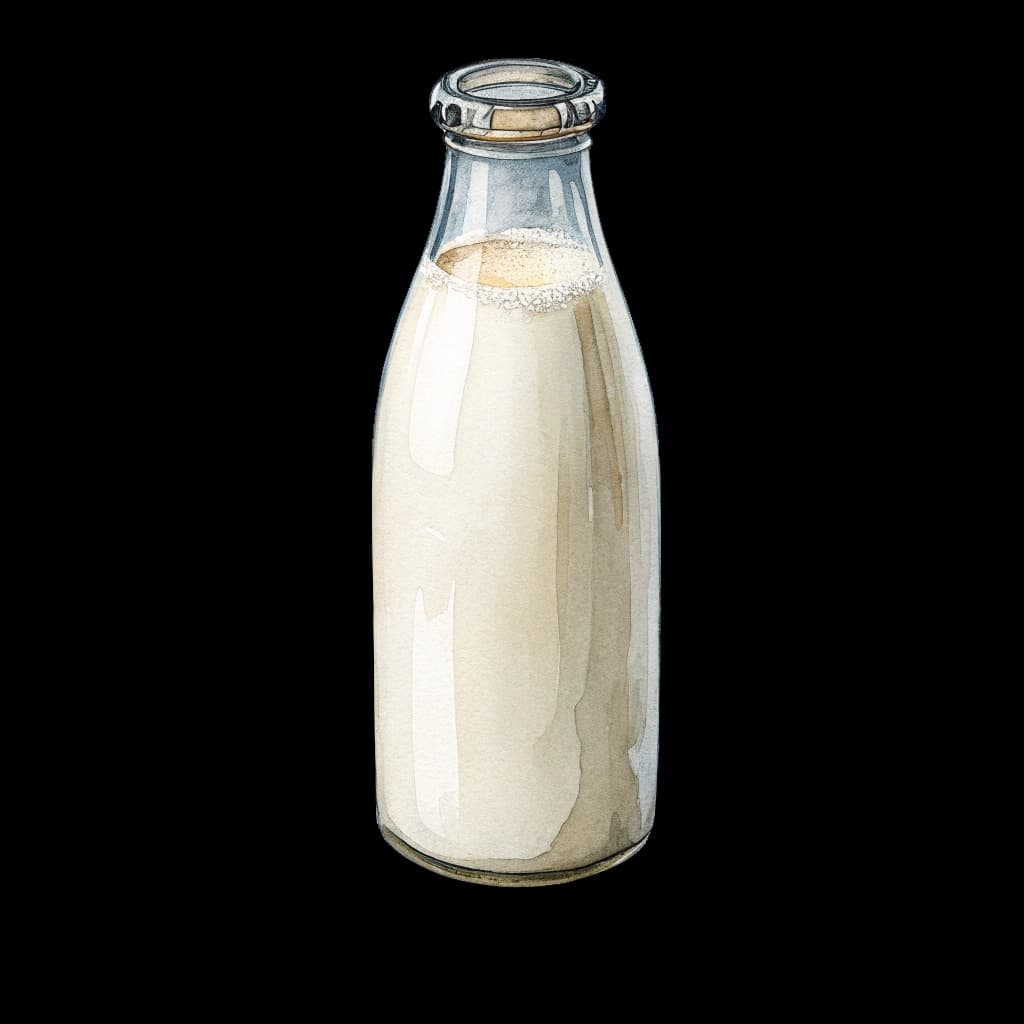
- 1 cup buttermilk
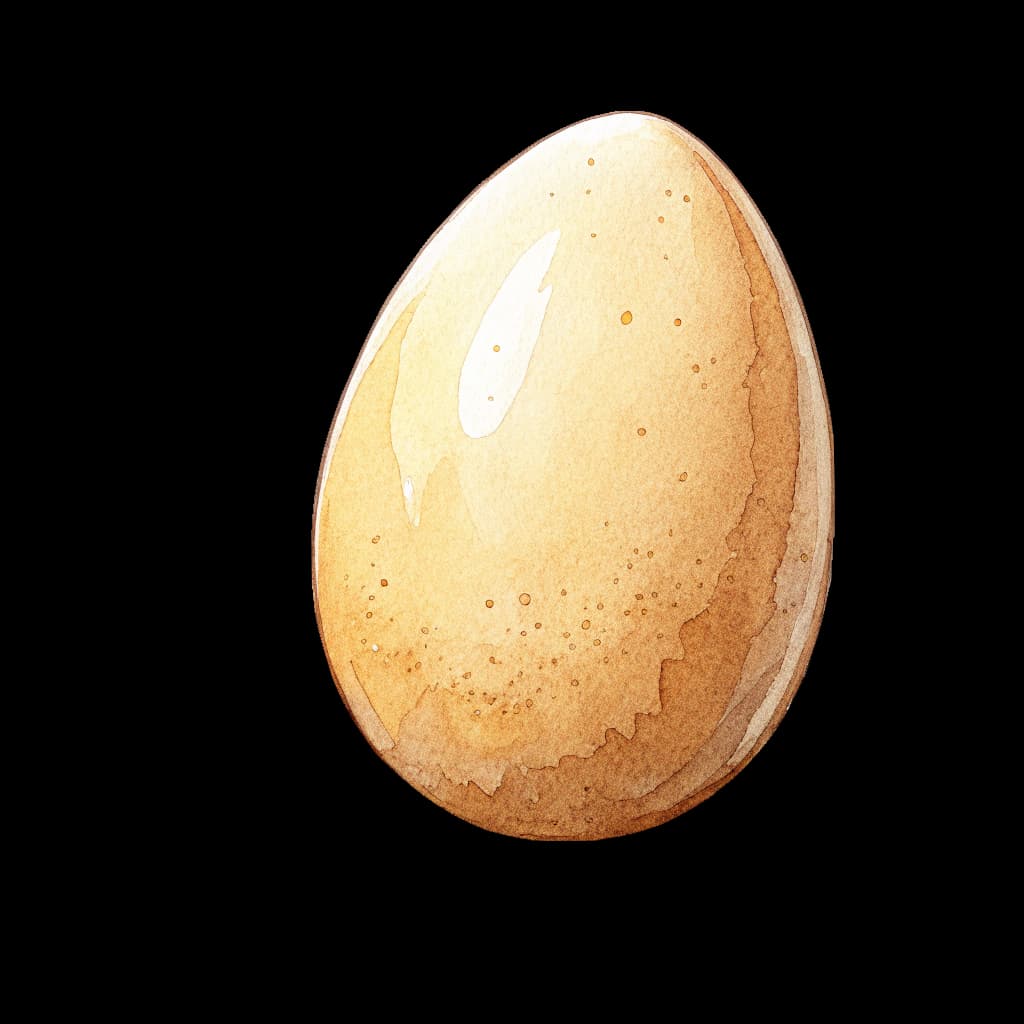
- 1 large egg – lightly beaten
- 2 tsp hot sauce
- 1 cup all-purpose flour (120g)
- 1 cup fine yellow cornmeal
- 2 tsp kosher salt
- 1 tsp black pepper
- 1 tsp paprika
- 1 tsp garlic powder
- 1/2 tsp cayenne pepper
- 48 ounces vegetable oil
- lemon wedges – for serving
- cocktail sauce – for serving

Instructions
- 1.
Set a wire rack over a rimmed baking sheet. Pat the shrimp dry.
- 2.
In a medium bowl, whisk buttermilk, the egg, and hot sauce until smooth.
- 3.
In a shallow dish, whisk together flour, cornmeal, kosher salt, black pepper, paprika, garlic powder, and cayenne.
- 4.
Heat vegetable oil in a Dutch oven to 350°F, using enough to reach about 2 inches up the sides.
- 5.
Add them to the buttermilk mixture and toss to coat; let stand 10–15 minutes while the oil heats.
- 6.
Working in batches, lift pieces from the wet mixture, let excess drip, then dredge in the dry mixture to coat, pressing so it adheres; shake off excess.
- 7.
Fry in batches until the crust is deeply golden and the centers are opaque and just firm, 1.5–2.5 minutes per batch, turning once; transfer to the rack to drain.
- 8.
Serve hot with lemon wedges and cocktail sauce.
Fried Shrimp is all about crisp, craggy coating wrapped around sweet, tender seafood. The exterior shatters with a gentle crunch, while the inside stays juicy and delicate. A balanced seasoning brings gentle heat and savor without overshadowing the shrimp’s natural sweetness. It’s typically served straight from the fryer with lemon for brightness and a tangy dipping sauce on the side.
Rooted in American coastal cooking, especially along the Gulf and Southern Atlantic, this preparation grew up at fish fries, shrimp shacks, and seafood houses. A flour-and-cornmeal crust aligns with broader Southern frying traditions that prize texture and quick cooking in hot fat. Over time, it became a staple in po’boy sandwiches, seafood platters, and weekend fish fries, reflecting regional harvests from Louisiana to Florida and beyond. Today it remains a beloved, straightforward way to celebrate peak-season shrimp.