
Huminta

Ingredients

&w=3840&q=75)
&w=3840&q=75)
- 24 pieces dried corn husks – soaked in hot water until pliable
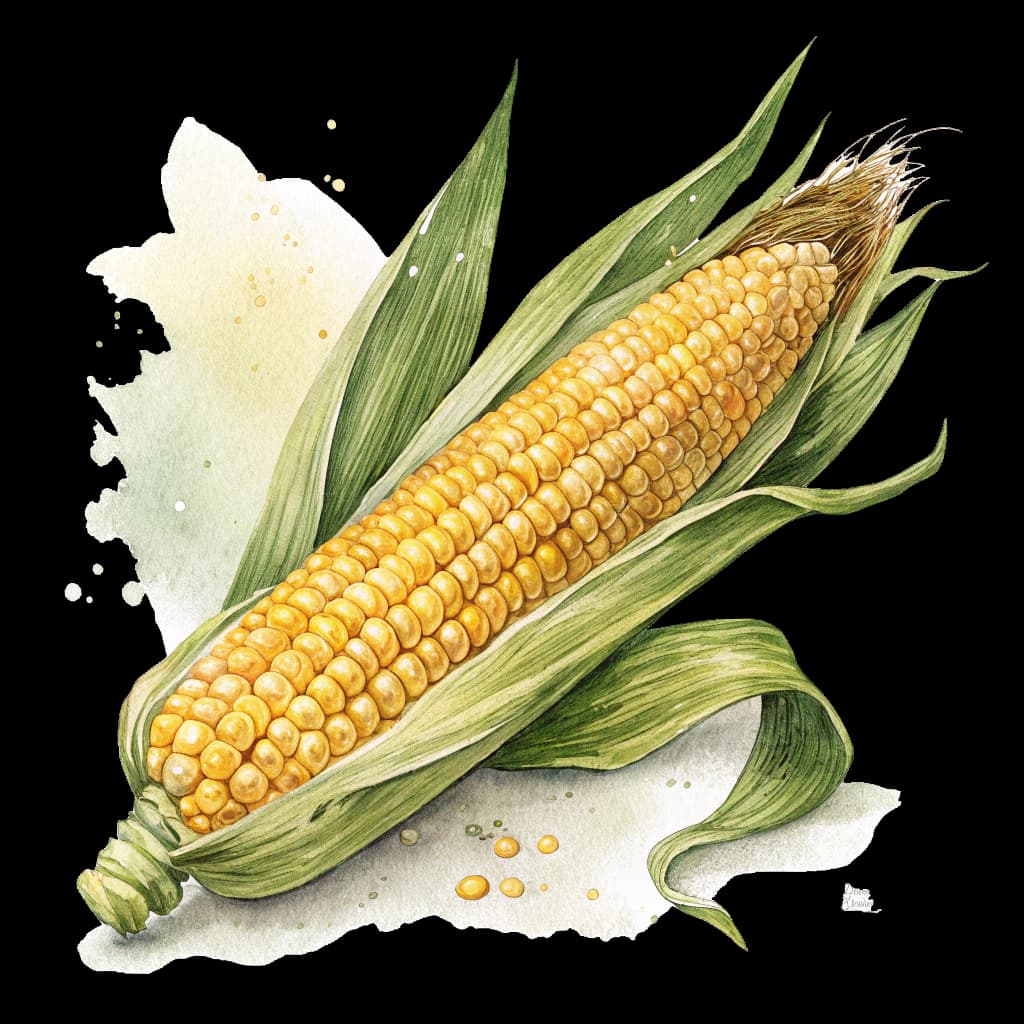
- 10 ears fresh corn on the cob – kernels cut from cobs
- 1/2 cup whole milk
- 1/2 cup lard – melted
- 1 1/2 teaspoons anise seeds – lightly crushed
- 1/2 cup granulated sugar (100g)
- 1 teaspoon salt
- 8 ounces queso fresco – cut into 12 sticks

Instructions
- 1.
Soak the dried corn husks in very hot water until pliable, 25–30 minutes. Rinse well and drain; keep submerged until assembling.
- 2.
Cut the kernels from the corn cobs to yield about 7–8 cups. Pulse the kernels in a food processor, adding the whole milk gradually, until a thick, coarse paste forms; do not puree completely, 1–2 minutes total.
- 3.
Warm the lard just until melted. Stir in the lightly crushed anise seeds to bloom their aroma, 30 seconds off the heat.
- 4.
In a large bowl, combine the ground corn paste, melted lard with anise, granulated sugar, and salt. Mix until evenly incorporated. The mixture should be thick but spreadable; let it rest 10 minutes to hydrate.
- 5.
Remove the husks from water and pat dry. Tear a few husks into long strips to use as ties. Overlap two medium husks (or use one large) to make a 6–7 inch-wide surface.
- 6.
Spoon about 0.5 cup corn mixture onto the center of the husks and spread into a rectangle. Place one stick of queso fresco in the middle, fold the sides over to enclose the filling, then fold the bottom up and the top down. Tie with a husk strip. Repeat with remaining mixture to make 12 humintas.
- 7.
Set up a steamer with water just below the basket. Arrange the humintas seam-side down (or upright, snugly). Cover and steam over medium heat until the filling is set and the husks pull away cleanly, 45–60 minutes, adding hot water as needed to maintain steam.
- 8.
Let the humintas rest off the heat for 10 minutes. Serve warm in their husks.
Huminta is a Bolivian corn tamal made from freshly ground corn scented with anise and gently steamed in corn husks. The dough is lightly sweet and savory, with a tender, slightly coarse texture that celebrates the flavor of fresh maize. A strip of creamy queso fresco tucked inside melts just enough to create a soft, milky center, while the husk wrapping perfumes the dough and keeps it moist.
Its roots trace to the Andean highlands, where maize has been a staple of Quechua and Aymara cultures for centuries. The name huminta derives from the Quechua word humint’a, and the preparation reflects pre-Hispanic techniques adapted over time. Today, humintas appear across Bolivia in two beloved forms: en chala (steamed in husks) and al horno (baked), enjoyed as market snacks, breakfast, or merienda, especially during corn harvest season when fresh choclo is abundant.