
Mondongo Chuquisaqueño

Ingredients

&w=3840&q=75)
&w=3840&q=75)
- 3 ounces dried ají colorado chiles – stems and seeds removed (~21.5 n/a dried aji colorado chiles)
- 6 cloves garlic – roughly chopped
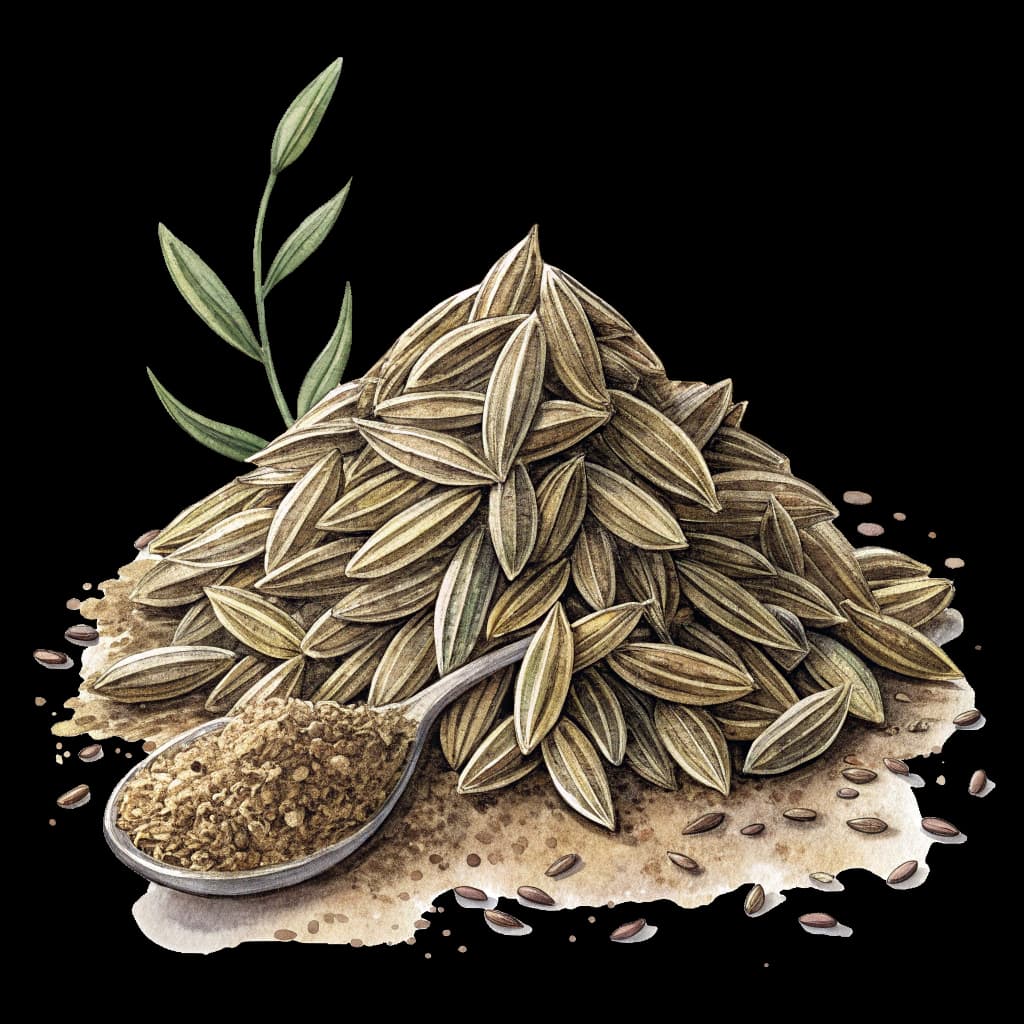
- 1 1/2 teaspoons ground cumin
- 1 teaspoon dried oregano – crumbled
- 1 tablespoon white vinegar
- 3 pounds pork shoulder – cut into 2-inch chunks (~4.5 n/a pork shoulders)
- 2 teaspoons salt
- 1/4 cup lard
- 1 large yellow onion – finely chopped
- 1 pound dried white hominy (mote pelado) – soaked overnight, drained
- 2 pounds yellow potatoes – scrubbed (~6.5 medium yellow potatos)

Instructions
- 1.
Cover the dried ají colorado chiles with boiling water in a bowl and soak until softened, 20–30 minutes; drain, reserving 1 cup of the soaking liquid.
- 2.
Blend the softened chiles with garlic, ground cumin, dried oregano, white vinegar, and 0.5 cup of the reserved chile soaking liquid until very smooth, 1–2 minutes; add more soaking liquid as needed to make a thick, pourable paste.
- 3.
Put the pork shoulder in a large pot, add the salt, and cover with cold water by about 1 inch. Bring to a simmer, skimming foam, then cook gently until the pork is tender but not falling apart, 60–75 minutes. Lift the pork out and reserve 2 cups of the cooking liquid.
- 4.
Heat the lard in a wide heavy pot over medium-high heat until shimmering. Add the drained pork and fry, turning occasionally, until lightly crisped and browned on the edges, 8–10 minutes; transfer the pork to a plate, leaving the fat in the pot.
- 5.
Add the yellow onion to the same pot and cook, stirring, until translucent and sweet, 5–7 minutes.
- 6.
Stir in the chile paste and cook it down, stirring often, until thick, glossy, and brick red, 8–10 minutes.
- 7.
Pour in 1.5 cups of the reserved pork cooking liquid, stirring to loosen the paste, and simmer until the sauce is smooth and lightly thickened, 8–10 minutes.
- 8.
Return the browned pork and any juices to the pot, toss to coat in the sauce, and simmer on low until the meat is well glazed and tender and the sauce clings, 12–15 minutes. Adjust seasoning with additional salt if needed.
- 9.
While the pork cooks, place the soaked dried white hominy (mote pelado) in a pot, cover with fresh water by 2 inches, bring to a boil, then reduce to a gentle simmer and cook until the kernels are plump and tender, 1.5–2 hours; drain and keep warm.
- 10.
In a separate pot, cover the yellow potatoes with cold salted water, bring to a boil, and cook until just tender when pierced, 20–25 minutes; drain. Peel if desired.
- 11.
Serve generous spoonfuls of mote on each plate, add the potatoes, and top with the pork and plenty of the ají colorado sauce. Serve hot.
Mondongo Chuquisaqueño is a hallmark pork dish from Sucre and the wider Chuquisaca department of Bolivia, built around a vivid red ají colorado sauce. Tender pieces of pork are first simmered, then lightly crisped and finished in a rich, aromatic chile base accented with garlic, cumin, and oregano. It is traditionally served with mote (hulled hominy corn) and simple boiled potatoes, creating a balanced plate of savory, gently spicy, and earthy flavors with satisfying textures.
Unlike the tripe-based mondongos found elsewhere in Latin America, the Chuquisaqueño version centers on pork and the characteristic Bolivian ají colorado, giving it a distinctive identity. The dish reflects Andean pantry staples and cooking rhythms: long-simmered grains, chile “fritura” to develop depth, and pork prepared for both tenderness and crisp edges. It is a festive, beloved preparation often shared at family gatherings, local celebrations, and market eateries in Sucre, where it has come to symbolize regional pride and culinary heritage.