
Cha Gio

Ingredients

&w=3840&q=75)
&w=3840&q=75)
- 1/2 ounce dried wood ear mushrooms
- 1 1/2 ounces mung bean vermicelli (bean thread noodles)
- 6 ounces shrimp – finely chopped (~13.5 Large shrimps)
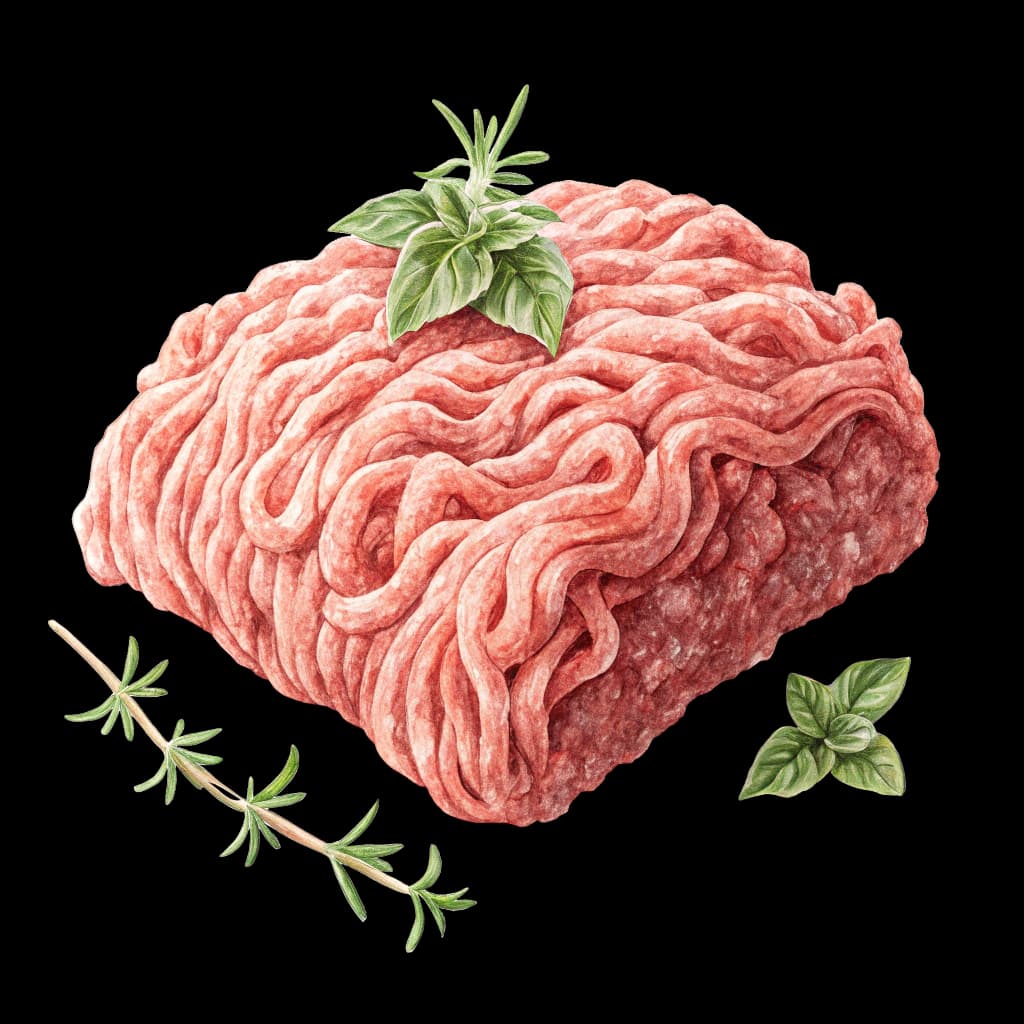
- 1 pound ground pork
- 6 ounces jicama – coarsely shredded
- 4 ounces carrot – coarsely shredded (~2 medium carrots)
- 2 ounces shallot – finely chopped (~1.5 medium shallots)
- 2 each scallion – finely chopped
- 2 cloves garlic – minced
- 1 each egg – lightly beaten
- 2 tablespoons fish sauce
- 1 teaspoon sugar (4.2g)
- 1/2 teaspoon black pepper
- 24 each rice paper wrappers (8.5-inch rounds)
- 6 cups neutral oil
- 1/4 cup fish sauce
- 1/4 cup sugar (50g)
- 1/2 cup warm water
- 1/4 cup lime juice
- 1 clove garlic – minced
- 1 each Thai bird chile – thinly sliced
- 2 tablespoons carrot – finely shredded
- lettuce leaves – for serving
- fresh herbs (mint, perilla, cilantro) – for serving

Instructions
- 1.
Soak the dried wood ear mushrooms in hot water until fully rehydrated, 15–20 minutes; drain, rinse, and finely chop.
- 2.
Soak the mung bean vermicelli in hot water until pliable, 10–12 minutes; drain well and cut into 1-inch pieces with scissors.
- 3.
Prep the vegetables and aromatics: coarsely shred the jicama and carrot; squeeze the shredded jicama firmly in a clean towel to remove excess moisture. Finely chop the shallot and scallions, and mince the garlic.
- 4.
Make the filling: in a large bowl combine ground pork, chopped shrimp, chopped wood ears, cut vermicelli, jicama, carrot, shallot, scallions, and minced garlic. Add the lightly beaten egg, 2 tablespoons fish sauce, 1 teaspoon sugar, and 0.5 teaspoon black pepper. Mix vigorously by hand until the mixture looks sticky and cohesive, 1–2 minutes.
- 5.
Set up to roll: fill a wide shallow bowl with warm water. Place a clean, damp kitchen towel on your work surface and keep the rice paper wrappers covered to prevent drying.
- 6.
Roll the cha gio: working one at a time, dip a rice paper wrapper in warm water for 1–2 seconds and lay it on the damp towel. Place about 2 tablespoons filling in a short log near the bottom third. Fold the bottom over the filling, fold in the sides snugly, then roll up tightly to a neat cylinder, pressing the seam to seal. Repeat to make about 24 rolls.
- 7.
Heat the oil in a deep, heavy pot to 325°F/165°C. Fry the rolls in batches without crowding, seam side down, turning occasionally, until light golden with small blisters, 5–6 minutes. Drain on a rack and let rest 5 minutes.
- 8.
Increase the oil to 350°F/175°C. Fry the rolls a second time until deep golden, evenly blistered, and very crisp, 2–3 minutes. Drain on a rack.
- 9.
Make nuoc cham: in a bowl, dissolve 0.25 cup sugar in 0.5 cup warm water. Stir in 0.25 cup fish sauce and 0.25 cup lime juice, then add 1 minced garlic clove, the sliced Thai chile, and 2 tablespoons finely shredded carrot. Adjust lime or fish sauce to taste.
- 10.
Serve the cha gio hot with lettuce leaves and fresh herbs (for wrapping) and a bowl of nuoc cham for dipping.
Cha gio are Vietnamese fried spring rolls distinguished by their crackly, blistered rice-paper wrapper and a juicy, savory filling. The interior balances ground pork and sweet shrimp with earthy wood ear mushrooms, springy glass noodles, and crisp vegetables for a tender yet bouncy bite. They are typically enjoyed hot with a bright nuoc cham dipping sauce and bundled in cool lettuce with fresh herbs, creating a contrast of temperatures, textures, and flavors in every mouthful.
Known as nem ran in northern Vietnam and cha gio in the south, these rolls likely evolved from regional wrapping-and-frying traditions adapted to rice paper. Over time, families developed house fillings using local vegetables like jicama or taro, with wood ears and bean thread noodles remaining common anchors. The custom of eating cha gio wrapped in greens with herbs speaks to Vietnamese culinary balance, and the dish has become a staple at gatherings, street stalls, and festive meals across the country and the diaspora.