
Crab Cakes

Ingredients
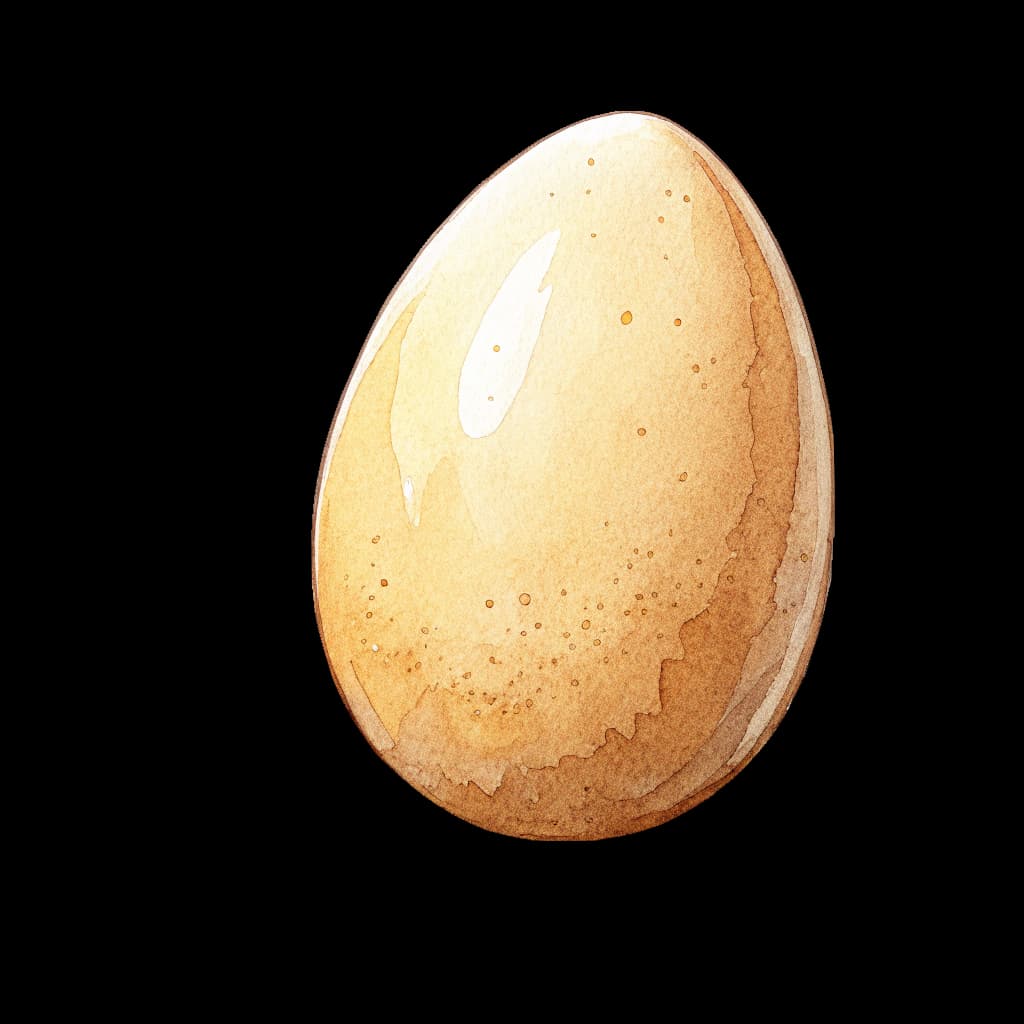


- 1 large egg – beaten
- 1/4 cup mayonnaise
- 1 teaspoon Dijon mustard
- 1 teaspoon Worcestershire sauce
- 1 tablespoon lemon juice – freshly squeezed
- 1 teaspoon Old Bay seasoning
- 2 tablespoons parsley – finely chopped
- 16 ounces lump crab meat – picked over for shells and gently drained
- 1/4 cup saltine crackers – crushed to coarse crumbs
- 2 tablespoons neutral oil
- 1 tablespoon unsalted butter
- lemon wedges – for serving

Instructions
- 1.
In a large bowl, whisk the egg, mayonnaise, Dijon mustard, Worcestershire sauce, lemon juice, and Old Bay seasoning until smooth.
- 2.
Stir in the parsley until evenly distributed.
- 3.
Add the lump crab meat and gently fold with a spatula to keep the lumps intact.
- 4.
Sprinkle the saltine crackers over the mixture and fold just until the mixture holds together; it should remain moist and loosely bound.
- 5.
Cover and refrigerate the crab mixture for 30 minutes to firm up.
- 6.
With damp hands, form the chilled mixture into 6 crab cakes, about 3 inches wide and 1 inch thick, pressing lightly so they just hold.
- 7.
Heat the neutral oil and unsalted butter in a large skillet over medium heat until the butter foams and the fat is shimmering, 2–3 minutes.
- 8.
Add the crab cakes and cook until deep golden brown, 3–4 minutes per side, turning carefully; they are done when the centers are just set and the cakes feel slightly springy.
- 9.
Transfer to a paper-towel-lined plate for 1 minute to drain.
- 10.
Serve immediately with lemon wedges.
&w=3840&q=75)
&w=3840&q=75)
&w=3840&q=75)
&w=3840&q=75)
&w=3840&q=75)
&w=3840&q=75)
&w=3840&q=75)
&w=3840&q=75)
&w=3840&q=75)
&w=3840&q=75)
&w=3840&q=75)
&w=3840&q=75)
&w=3840&q=75)
&w=3840&q=75)
Crab cakes are delicate patties of sweet crab bound with a light, savory mixture so the flavor of the crab stays front and center. The best versions are gently browned outside with a tender, moist interior, and just enough binder to hold together without tasting bready. A hint of spice, a touch of citrus, and fresh herbs brighten the richness, making them equally at home as an appetizer or a main course.
Rooted in the Mid-Atlantic, especially Maryland, crab cakes grew from a regional tradition built around local blue crab. Early recipes favored minimal filler and simple seasonings, a style that endures in many Chesapeake kitchens. Over time, pan-fried, broiled, and deep-fried versions have all found fans, but the core identity remains: showcase the crab with restraint and technique rather than heavy embellishment.