
Sour Cream

Ingredients
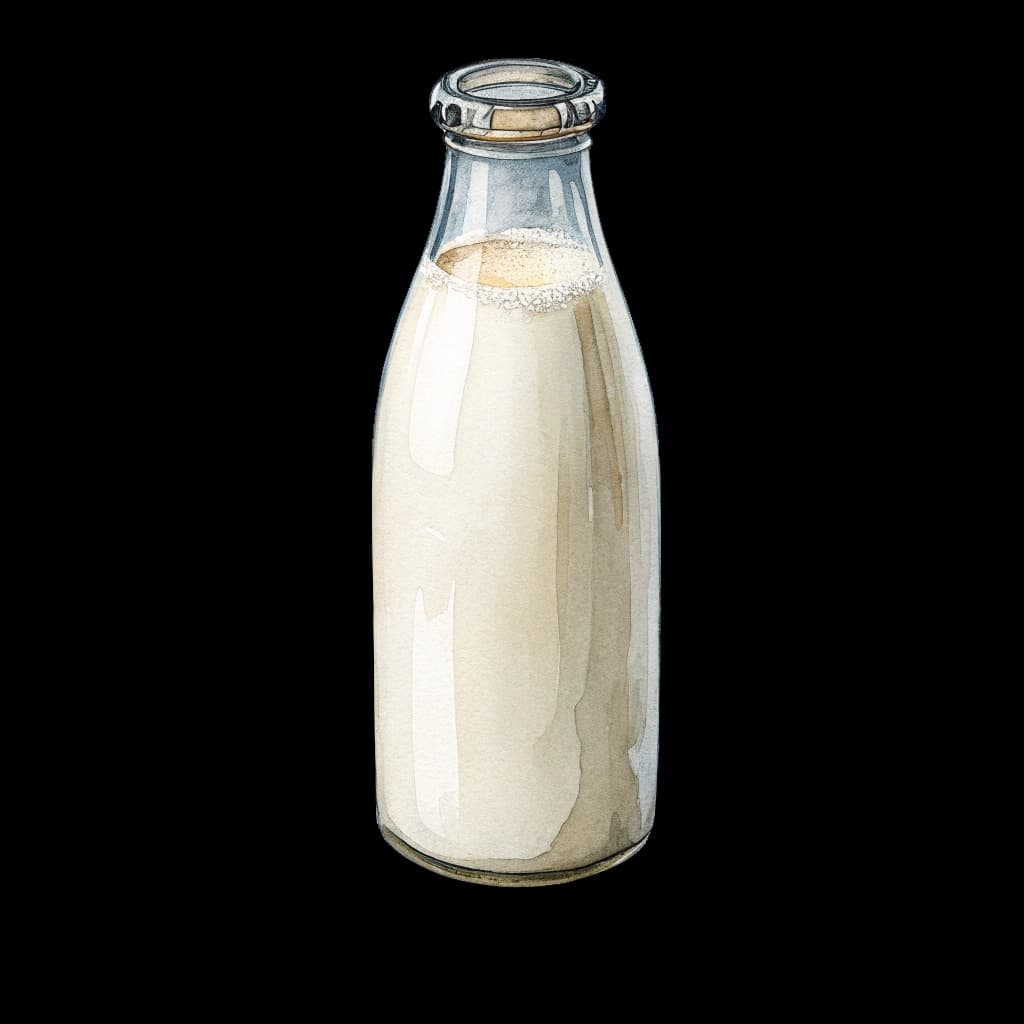
- 2 cups pasteurized heavy cream
- 2 tbsp cultured buttermilk

Instructions
- 1.
Wash a 1-quart glass jar and lid in hot, soapy water, then rinse well. To sanitize, rinse the jar with boiling water and let it air-dry.
- 2.
Pour the heavy cream into the jar and add the cultured buttermilk. Stir thoroughly to combine.
- 3.
Cover the jar loosely (use the lid set on but not tightened, or a clean cloth secured with a band) and let it stand at room temperature, ideally 70°F/21°C, until thickened and tangy, 18–24 hours. It is ready when it coats a spoon and mounds slightly without running.
- 4.
Stir the cultured cream until smooth, then cover tightly and refrigerate until fully set and silky, 12–24 hours.
- 5.
Stir before using. Keep refrigerated and use within 10–14 days; discard if you notice off smells or visible mold.
Sour cream is a cultured dairy condiment with a cool, velvety body and a gentle lactic tang. Its richness softens spicy foods, brightens stews and soups, and lends moisture to baked goods. Spoonable yet thick enough to dollop, it bridges savory and sweet uses—from topping borscht or pierogi to finishing tacos, baked potatoes, and cakes.
The practice of souring cream through fermentation traces to Eastern and Central Europe, where naturally occurring lactic bacteria thickened cream into what many languages call smetana or crème aigre. As controlled dairy cultures became common in the 19th and 20th centuries, the process standardized, spreading to Western Europe and North America. Today, cultured sour cream remains a staple across cuisines, prized for both flavor and function in the kitchen.