
Spanish Tortilla

Ingredients
&w=3840&q=75)
&w=3840&q=75)

- 1 1/2 pounds potatoes – peeled and thinly sliced (~4 medium potatos)
- 8 ounces onion – thinly sliced (~1.5 medium onions)
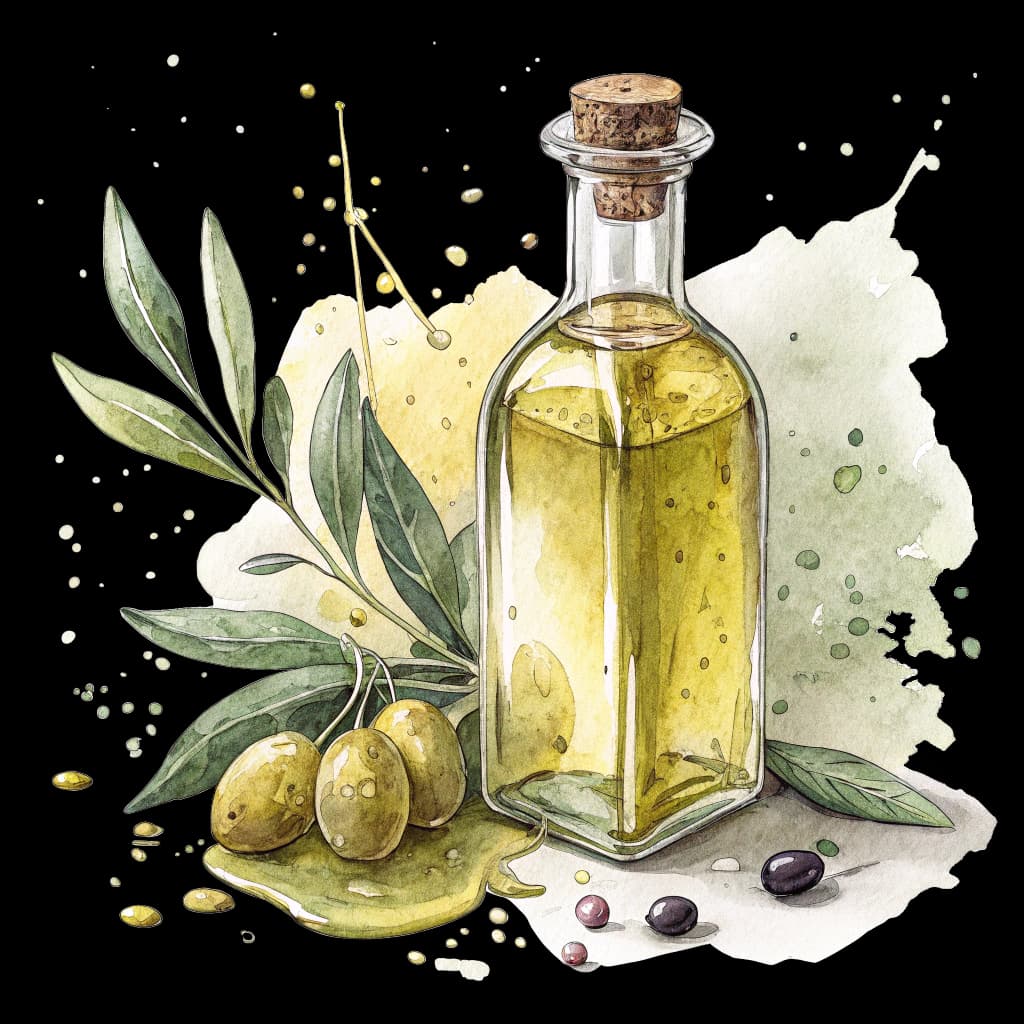
- 1 cup olive oil
- 6 eggs – beaten
- 1 1/4 tsp salt

Instructions
- 1.
Peel and thinly slice the potatoes (about 0.125 inch) and the onion.
- 2.
Heat the olive oil in a 10-inch nonstick skillet over medium heat until shimmering, 2–3 minutes.
- 3.
Add the slices and cook, stirring occasionally, until tender but still pale, 15–20 minutes; keep the heat moderate to avoid browning.
- 4.
Transfer to a colander set over a bowl to drain; return 1 tbsp of the reserved oil to the skillet.
- 5.
Beat the eggs with the salt in a large bowl, then fold in the drained vegetables; let stand 5–10 minutes so the mixture thickens.
- 6.
Reheat the skillet over medium heat with the reserved oil, swirl, and pour in the mixture; smooth the top and gently pull back the edges to let uncooked egg seep underneath for the first minute.
- 7.
Cook until the bottom is golden and the center is just beginning to set but still custardy, 3–5 minutes; shake the pan to loosen and run a spatula around the edge.
- 8.
Invert onto a flat plate slightly larger than the skillet, slide back into the pan raw side down, and cook until set with a slight wobble in the center, 2–4 minutes.
- 9.
Slide onto a plate and rest 5–10 minutes for carryover heat to finish cooking; serve warm or at room temperature, cut into wedges.
Spanish Tortilla, also known as tortilla de patatas, is a thick, tender omelet built from softly cooked potatoes bound with eggs and gently set until custardy. The texture is creamy inside with a lightly golden exterior, and the flavor is savory and subtly sweet from slowly cooked alliums and good olive oil. It’s satisfying yet simple, equally at home as a tapa, a light meal, or a picnic slice served at room temperature.
Its origins trace back to 19th-century Spain, with written references appearing in the early 1800s as potatoes became widespread in Iberian cooking. Over time, it evolved into a national staple, spawning friendly debates over the inclusion of onion and the ideal doneness. Today it stands as a cornerstone of Spanish home cooking and bar culture, a dish that showcases frugality, technique, and the character of local olive oil.