
Victoria Sponge

Ingredients
&w=3840&q=75)
&w=3840&q=75)

- 8 ounces unsalted butter – softened
- 8 ounces caster sugar
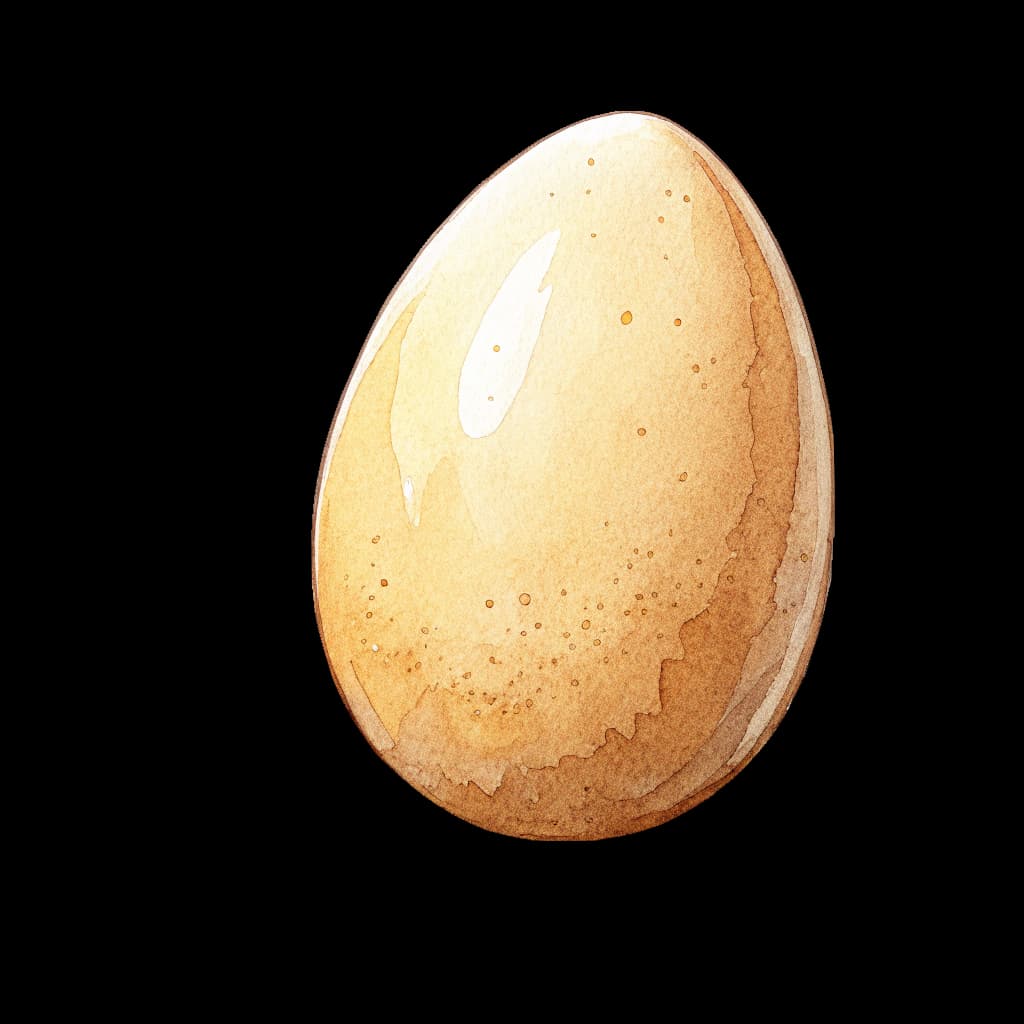
- 4 eggs – at room temperature
- 8 ounces all-purpose flour
- 2 tsp baking powder (8g)
- 1/2 cup raspberry jam
- 3/4 cup heavy cream – chilled
- 1 tbsp powdered sugar
- caster sugar – for dusting (for serving)

Instructions
- 1.
Preheat the oven to 350°F (180°C). Grease two 8-inch round cake pans and line the bottoms with parchment paper.
- 2.
In a large bowl, beat the softened butter and caster sugar with a hand mixer or stand mixer on medium speed until very pale and fluffy, 3–5 minutes.
- 3.
Beat in the eggs one at a time, mixing well after each addition. If the mixture looks slightly curdled, beat in a spoonful of the measured flour to bring it back together.
- 4.
In a separate bowl, sift together the all-purpose flour and baking powder. Gently fold the dry ingredients into the batter in two additions until just combined and no dry patches remain.
- 5.
Divide the batter evenly between the prepared pans and level the tops.
- 6.
Bake until well risen, golden, and the tops spring back when lightly pressed, 20–25 minutes. A skewer inserted in the center should come out clean.
- 7.
Cool the cakes in the pans for 10 minutes, then turn out onto a wire rack, peel off the parchment, and let cool completely, 45–60 minutes.
- 8.
While the cakes cool, whip the heavy cream with the powdered sugar to soft peaks, 1–2 minutes; keep chilled.
- 9.
Place one cake layer on a serving plate. Spread the raspberry jam evenly over the top, then spread the whipped cream over the jam.
- 10.
Set the second cake layer on top. Dust the top with caster sugar. Slice and serve.
Victoria Sponge is a light, buttery two-layer cake sandwiched with jam and often a cushion of softly whipped cream. The crumb is tender yet sturdy, with a fine, even texture that comes from creaming butter and sugar before gently folding in flour. Its appeal lies in its simplicity: clean flavors of butter and egg, a bright layer of jam, and a delicate sugar-dusted top that pairs perfectly with tea.
Named for Queen Victoria, who reportedly enjoyed a slice with her afternoon tea, this sponge emerged in the 19th century alongside the rise of chemical leaveners. It became a quintessential British teatime treat and a benchmark for home bakers, often called a Victoria Sandwich. Over time, it inspired friendly debates—jam-only versus jam-and-cream fillings—yet the equal-weight sponge and straightforward method have remained central to its identity.